Covid 19 Support


 Call 6322 2072


 Terms & Conditions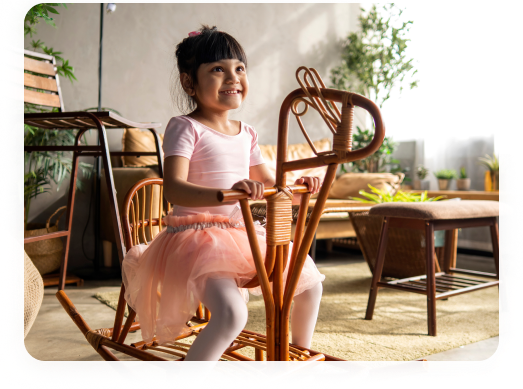
“Autism doesn’t come with a manual. It comes with parents who never give up.” – Mdm. Siti Supiah Binte Mohd Sariff
Imani, 6, was first suspected to be on the autism spectrum during a medical check-up. Following assessments and testing, she met the criteria for autism spectrum disorder.
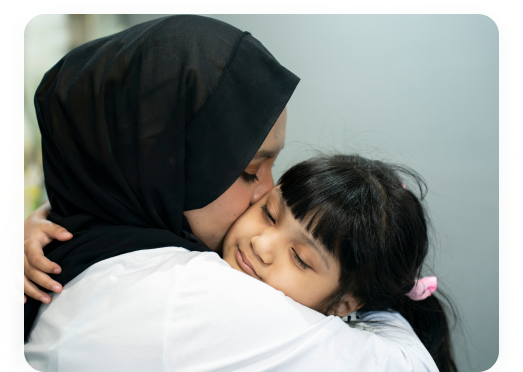
“I was initially very anxious and depressed over Imani’s diagnosis. But I told myself to keep my emotions in check so that I can be 100% present for my daughter,” said Mdm. Siti.
Being diagnosed with autism means extra care and support needed for Imani. In the case of Imani, she was assessed to have an intelligence quotient (IQ) that was below average, compared to other children of similar age.
“I monitor her progress regularly and pay attention to improvements and things to work on. It was tough at the beginning, and we (the family) had to adjust our mindset to be more patient and understanding,” Mdm. Siti added.
Imani is also transitioning to a Special Education School where her needs are better catered for in a conducive environment with proper care setups.
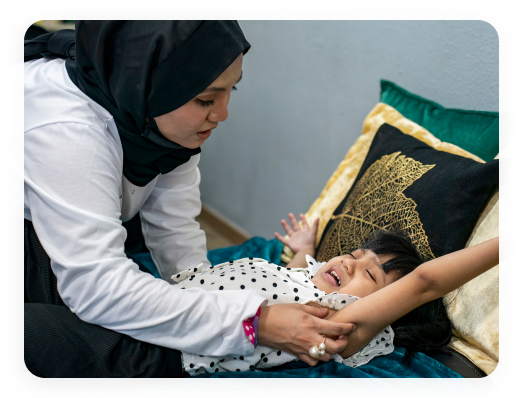
According to a joint study by KK Women’s and Children’s Hospital and the National University Hospital, one in 150 children in Singapore has autism, a higher rate than the World Health Organisation’s global figure of one in 160 children. Signs of autism include delayed speech and language development, difficulty expressing oneself or understanding others’ feelings or thoughts, and preference for repetitive and stereotypic activities.
“It is important to raise awareness of autistic children’s needs. For many of us, especially those who have not encountered autistic children before, caring for autistic children can be overwhelming. It can be challenging to even identify autism,” Mdm. Siti shared.
Imani was first exposed to ballet under the recommendation of her therapist, as ballet was found to help autistic children better express their emotions, improve self-confidence and strength social skills.
“We started by showing Imani some ballet videos to ‘test water’ and she was hooked! We hope to build on her interest by enrolling her into regular ballet classes, but we will see. Cost is a concern,” Mdm. Siti said as she shared some of Imani’s favourite ballet videos.
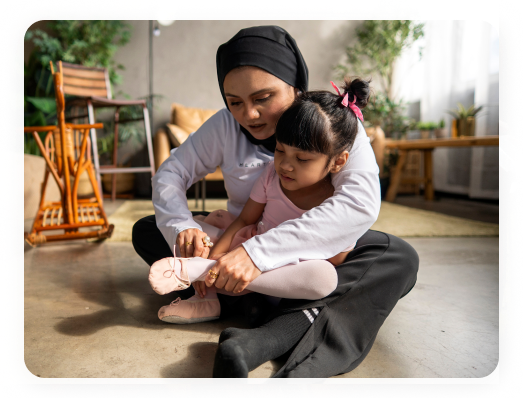
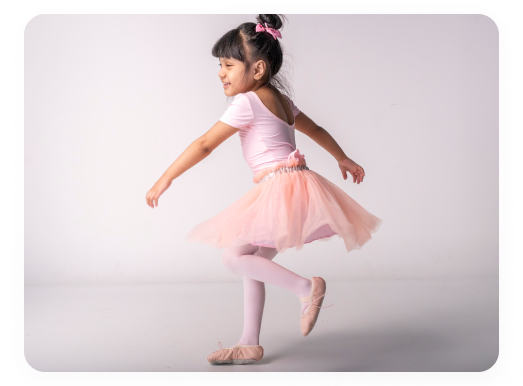
In conjunction with FWD’s Press Play campaign this year, FWD Singapore is partnering with AWWA to empower Madam Siti and support Imani in her journey of self-exploration and growth through ballet lessons and the end possibilities in life.
“Both my husband and I are not getting any younger. We believe it is possible for Imani to build the essential life skills, be independent and protect herself with minimal help,” Mdm. Siti said.
“It takes a kampung to raise a child on the autism spectrum. We are fortunate to have the support of our entire family, including Imani’s grandmother, who helps to take care of her while we are at work,” Mdm. Siti added.

“Autism doesn’t come with a manual. It comes with parents who never give up.” – Mdm. Siti Supiah Binte Mohd Sariff
Imani, 6, was first suspected to be on the autism spectrum during a medical check-up. Following assessments and testing, she met the criteria for autism spectrum disorder.
“I was initially very anxious and depressed over Imani’s diagnosis. But I told myself to keep my emotions in check so that I can be 100% present for my daughter,” said Mdm. Siti.
Being diagnosed with autism means extra care and support needed for Imani. In the case of Imani, she was assessed to have an intelligence quotient (IQ) that was below average, compared to other children of similar age.
“I monitor her progress regularly and pay attention to improvements and things to work on. It was tough at the beginning, and we (the family) had to adjust our mindset to be more patient and understanding,” Mdm. Siti added.
Imani is also transitioning to a Special Education School where her needs are better catered for in a conducive environment with proper care setups.
According to a joint study by KK Women’s and Children’s Hospital and the National University Hospital, one in 150 children in Singapore has autism, a higher rate than the World Health Organisation’s global figure of one in 160 children. Signs of autism include delayed speech and language development, difficulty expressing oneself or understanding others’ feelings or thoughts, and preference for repetitive and stereotypic activities.
“It is important to raise awareness of autistic children’s needs. For many of us, especially those who have not encountered autistic children before, caring for autistic children can be overwhelming. It can be challenging to even identify autism,” Mdm. Siti shared.
Imani was first exposed to ballet under the recommendation of her therapist, as ballet was found to help autistic children better express their emotions, improve self-confidence and strength social skills.
“We started by showing Imani some ballet videos to ‘test water’ and she was hooked! We hope to build on her interest by enrolling her into regular ballet classes, but we will see. Cost is a concern,” Mdm. Siti said as she shared some of Imani’s favourite ballet videos.
In conjunction with FWD’s Press Play campaign this year, FWD Singapore is partnering with AWWA to empower Madam Siti and support Imani in her journey of self-exploration and growth through ballet lessons and the end possibilities in life.
“Both my husband and I are not getting any younger. We believe it is possible for Imani to build the essential life skills, be independent and protect herself with minimal help,” Mdm. Siti said.
“It takes a kampung to raise a child on the autism spectrum. We are fortunate to have the support of our entire family, including Imani’s grandmother, who helps to take care of her while we are at work,” Mdm. Siti added.
share this page


.png)