
Your Ultimate Guide to Travelling with Pre-existing Medical Conditions

5 min read
 5 min read
 19 November 2018
Travel insurance offered by different insurers don’t always provide the same coverage or benefits. Many people don’t realize this and choose travel insurance based on price, assuming that coverage is the same across plans. Now, we all like a good deal, but while cheap travel insurance is preferred, it’s also important to ensure the plan provides the coverage you need.

It’s really simple to figure out the fundamental features you need to look out for, so let’s dive right into it.
 happy pretty little girl preparing personal luggage in backpack and sitting on floor using magnifier looking map ready going to adventure.
Are you and the people you are buying travel insurance for a resident of Singapore? Remember that when purchasing a group travel insurance that the insured individuals may have to be a resident of where the insurance was bought.
Another common error is choosing the wrong area of coverage. If you’ve not selected the correct area of cover, your claims may not be admissible or payable. Commonly areas are grouped like this:
There may also be a list of countries which are not covered by your insurer due to various safety reasons, so be sure to confirm before you hit the buy button.
 Marking holidays in calendar
Aside from the area also make sure the duration is enough and that the dates are right. Insurers also have various extensions of their coverage, anywhere from 1 to 7 days from your return, should you fall sick during your trip or if your trip is delayed.
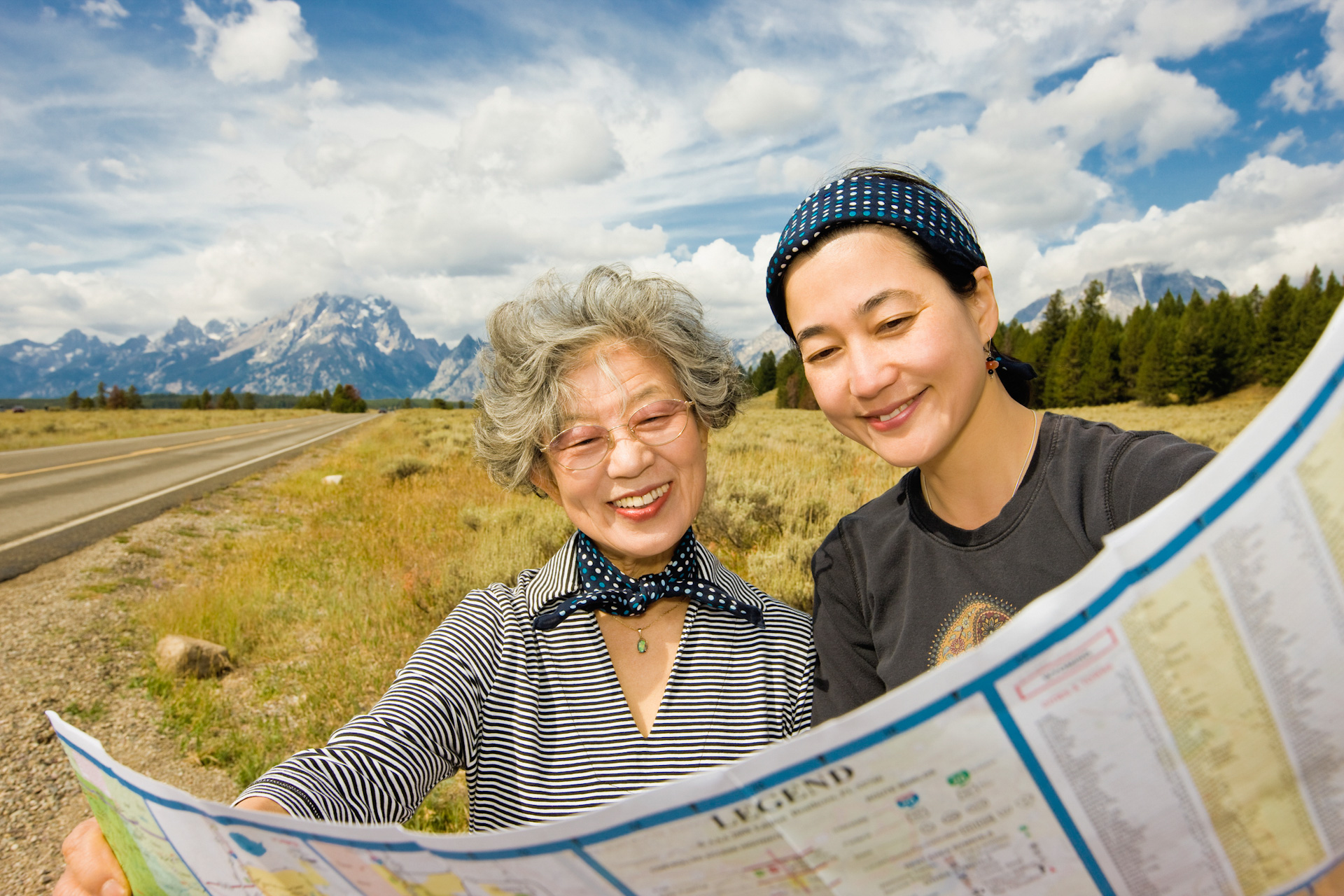
Some insurers put a cap on the age, so keep in mind when travelling with the elderly, check if they are covered before buying.

Do also check if your insurer covers pregnancy-related complications and pre-existing medical conditions if it applies to you or your family. Plans that provide such benefits would typically cost more.
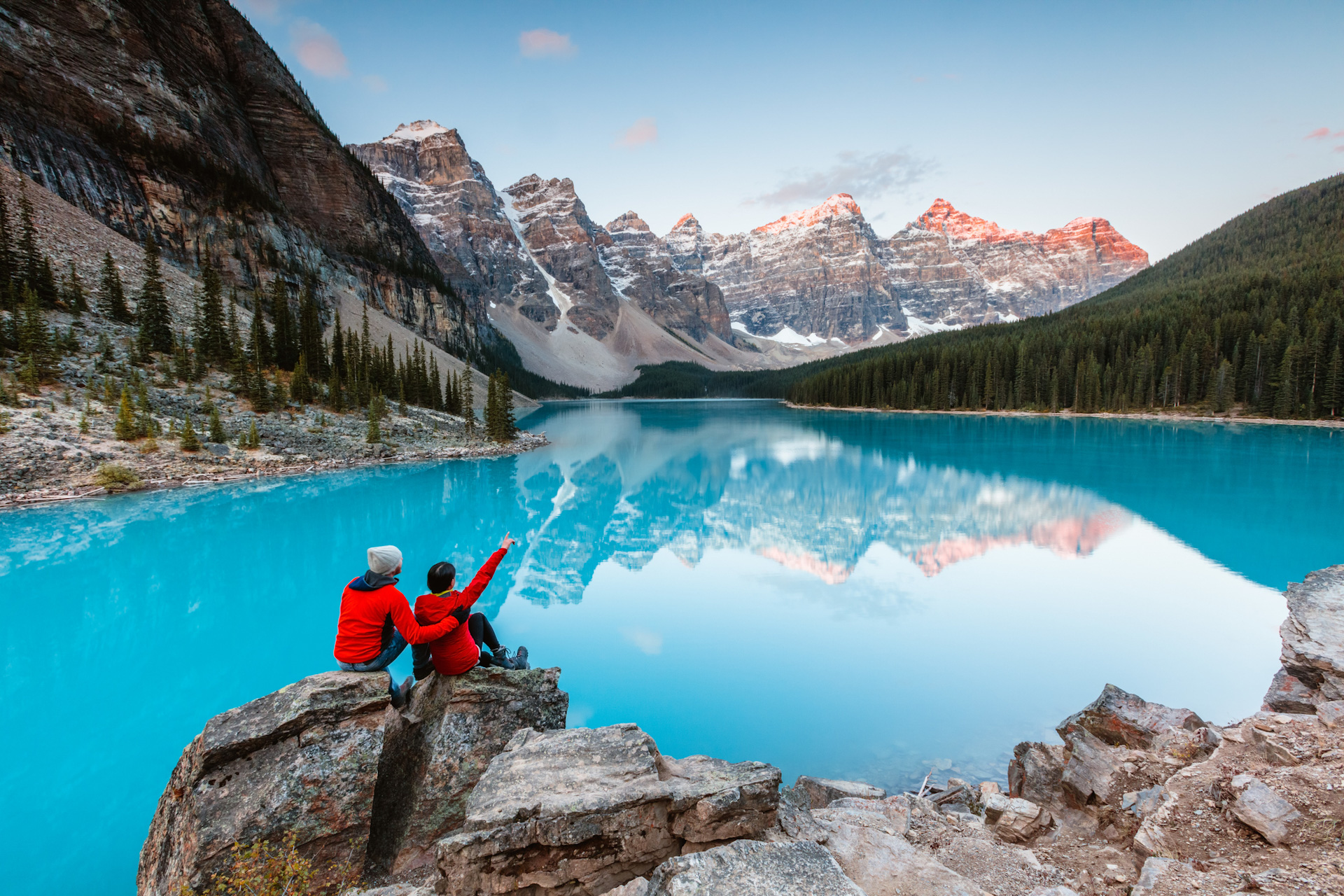 Couple looking at Moraine lake at dawn, Banff National Park, Alberta, Canada
Should a natural disaster or political unrest happen to your destination of travel, do keep a look out for the travel advisory issued by the Ministry of Foreign Affairs as well as the news. Often, if the authorities advise against travelling to a destination but you choose to proceed nonetheless, insurers will no longer provide coverage. Usually, airline companies will advise you of such events before your flight, but it’s still a good idea to listen to the news and stay updated with current events in your area.

Insurers typically cover flight delays and baggage delays. Some provide coverage for theft of your belongings and others provide coverage if you lost your personal belongings. Again, this is not consistently across insurers and plans so remember to pay close attention to these details. Understanding what’s covered and not will reduce disappointment later on should you need to claim.

In countries like the USA and Japan where medical costs are generally costlier, the cheapest plan or most basic cover may be insufficient to cover you in event of a hospitalisation. Therefore do compare the costs vs the cover before making a judgment on how much benefit you might need. Be sure to review the table benefits always.

Feel like hiking Mount Everest, trekking in Nepal, going scuba diving, skiing or parachuting? Do carefully examine your contract or contact your insurer to know whether these are covered or not. Some insurers do not provide cover for such activities while others provide cover only if the activity was conducted under supervision by a certified instructor. Insurers may also impost a limit and cover only up to a certain altitude or depth.
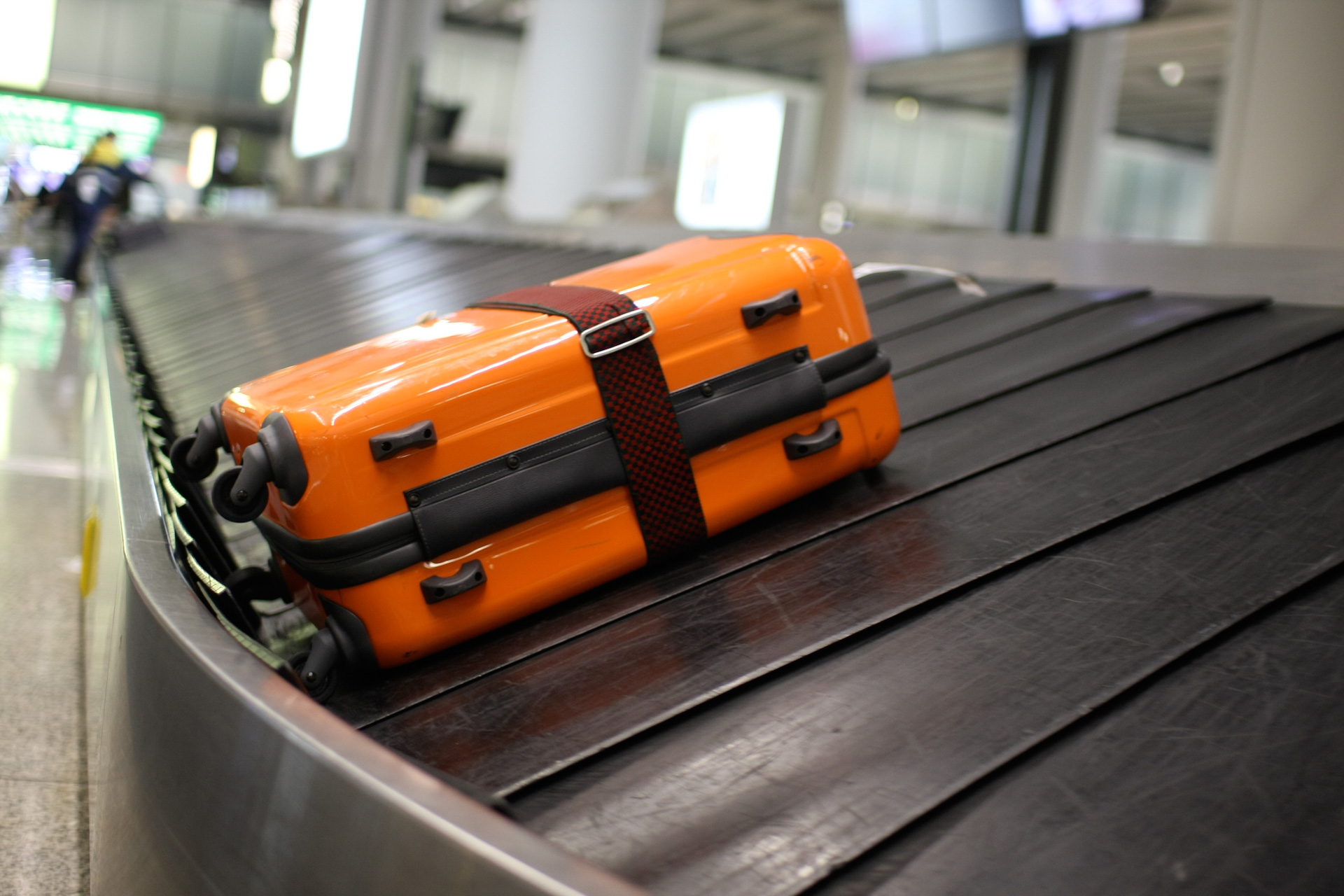
Here are a few tips if you’re dealing with any of these common scenarios.
Baggage delay – Don’t forget to ask for a written letter reporting the incident from the airline or transport provider. This letter must be addressed to you.
Loss of personal belongings – Get a police report from the local authorities. Keeping receipts or other proof of purchase is vital in helping the insurer confirm the value of your item.
Know the hotlines – In case of emergencies, searching for your policy and insurer’s contact number may be difficult. So save the hotline numbers and share them with a family member who isn’t travelling. For FWD customers, be sure to download the FWD Flyer App which contains information on your policy and common emergency hotlines.
Travel insurance is there to help us get through unforeseen woes, but to avoid any surprises, it’s always best to ensure it covers conditions specific to you. Don’t hesitate to ask your insurer questions. Questions are free so you’ve got everything to gain.
 Asian woman tourist was running her to various places.
Try not to buy your Travel Insurance at the last minute, because you may not have the time to assess the coverage that you need properly and read your contract to understand the details. Getting a short-term cheap insurance may be an insignificant event amidst your holiday planning but spending a little effort to understand what you’re buying may prove to be very valuable in times of need.
5 min read




 6820 8888


 6820 8888